
Advancing renewable energy-powered solutions for water desalination
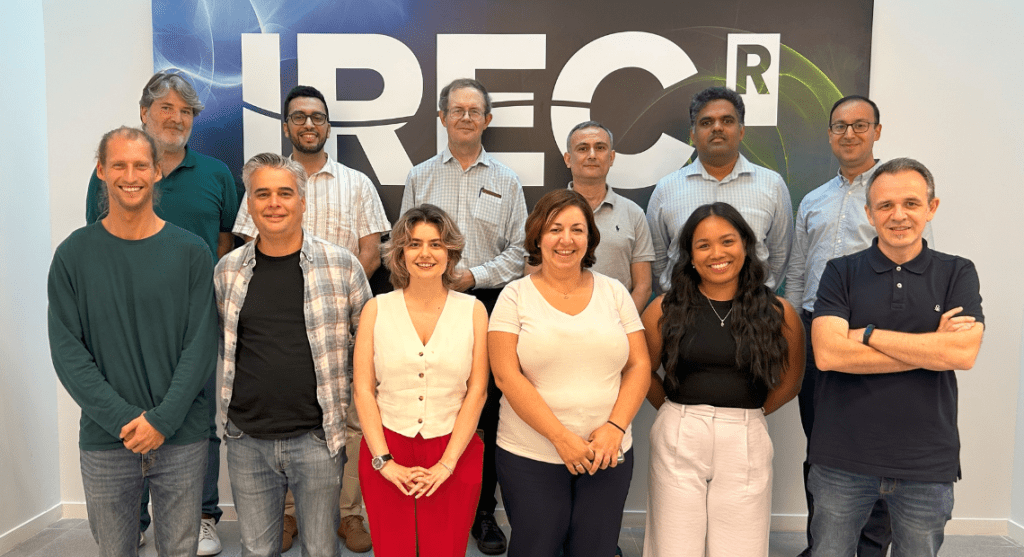
The EU-funded AQUASOL project unites partners across Europe to integrate renewable energy into desalination systems and drive sustainable water treatment solutions.
Desalination of seawater and brackish water is one of the essential solutions to the increasing global challenge of water scarcity. Yet, widespread deployment of desalination technologies remains limited due to high upfront costs and intensive energy requirements. Moreover, current desalination systems use fossil fuels, contributing to greenhouse gas emissions.
To address these challenges, the EU-funded project AQUASOL brings together a multidisciplinary team of 7 partners from 6 countries to explore and develop innovative solutions to facilitate green transition in desalination processes. To achieve this, the consortium will develop a technological platform that will enable the integration of renewable energy sources into desalination technologies and provide disruptive solutions for seawater and wastewater treatment.
The partners, comprising research institutions, universities and small and medium businesses, gathered on June 12-13 in Barcelona to officially kick off the project, which started earlier this month.
AQUASOL, which stands for “Advanced Quality Renewable Energy-Powered Solutions For Water Desalination In Agriculture And Wastewater Recycling”, has a total budget of over 3.6M € and will run for 3 years. The consortium includes Institut de Recerca en Energia de Catalunya (Spain), the project coordinator; University of Manchester (UK), Instituto Tecnológico de Canarias (Spain), Strane Innovation (France), Ferr Tech B.V. (Netherlands), farmB (Greece), and Aarhus University (Denmark).
IREC is the coordinator of the project and will be responsible for the design and development of the models (hybrid energy storage systems, renewable energy sources models, power electronics model, pumping system models, and hardware prototype) and the environmental impact analysis. Additionally, IREC will also be responsible for the communication and dissemination of the project. These actions will be led by Levon Gevorkov from the Power Systems department and Princess Romero from the Corporate Development and Technology Transfer department.
Link to cordis: https://cordis.europa.eu/project/id/101216330
Acknowledgements
Funded by the European Union. Views and opinions expressed are however those of the author(s) only and do not necessarily reflect those of the European Union or European Research Executive Agency (REA). Neither the European Union nor the granting authority can be held responsible for them.
