What is POWER SYSTEMS all about?
- Enabling secure and resilient grids with high penetration of converter-based systems.
- Advancing control and management of power systems, from component to wide-area scale.
- Modelling power system components through digitalisation and AI-driven methods.
- Delivering research outcomes through real-world pilots and industrial demonstrations.
Power systems
The Power Systems department addresses the challenges of future electrical grids, enabling greater integration of renewable energy sources, with particular focus on offshore technologies, energy storage, electric vehicles and power converters. Its activities combine digitalisation, advanced modelling and novel materials, spanning the entire electrical system from generation to consumption. Electrical, electronic, control and cyber-physical engineering are brought together in close collaboration with industry to validate solutions in real operating environments.
Secure, Resilient and Digitally Enabled Future Power Systems
We investigate reliable operation of power systems with high shares of renewable generation, covering transmission, microgrids, energy storage, stability analysis, security of supply and cybersecurity. Our work encompasses digital twin development and cloud-based management systems for real-time monitoring and decision-making at distribution level.
Prototype Development and Laboratory Testing
We design and build prototypes of power electronics, control boards and protection systems for innovative energy applications. We also support manufacturers in validating and pre-certifying their products through advanced power hardware-in-the-loop (PHIL) testing, bridging laboratory performance and real-world deployment.
Modelling, Simulation and Design
We build digital grid models and advanced control strategies to analyse stability, optimise component selection and design novel power converter architectures. Our modelling combines data-driven approaches with physics-informed neural networks to represent renewable energy systems and storage with high accuracy, supporting simulation and control board design.
Real Implementation and Piloting
We deploy equipment and online platforms in real operational environments, from field installations in active electricity networks to live monitoring systems. Our objective is to validate innovations under genuine operating conditions and advance them towards market readiness.
Our activity at a glance
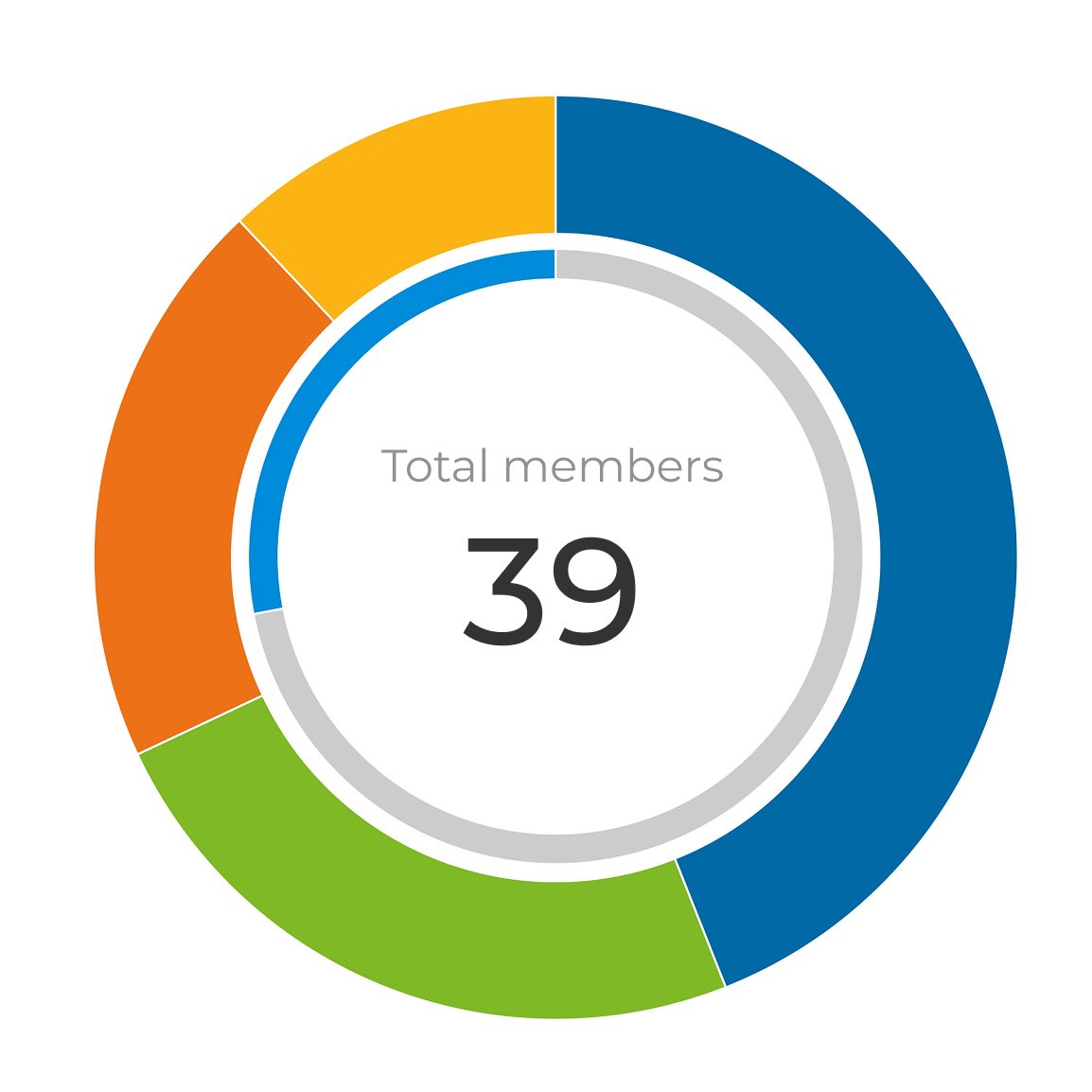
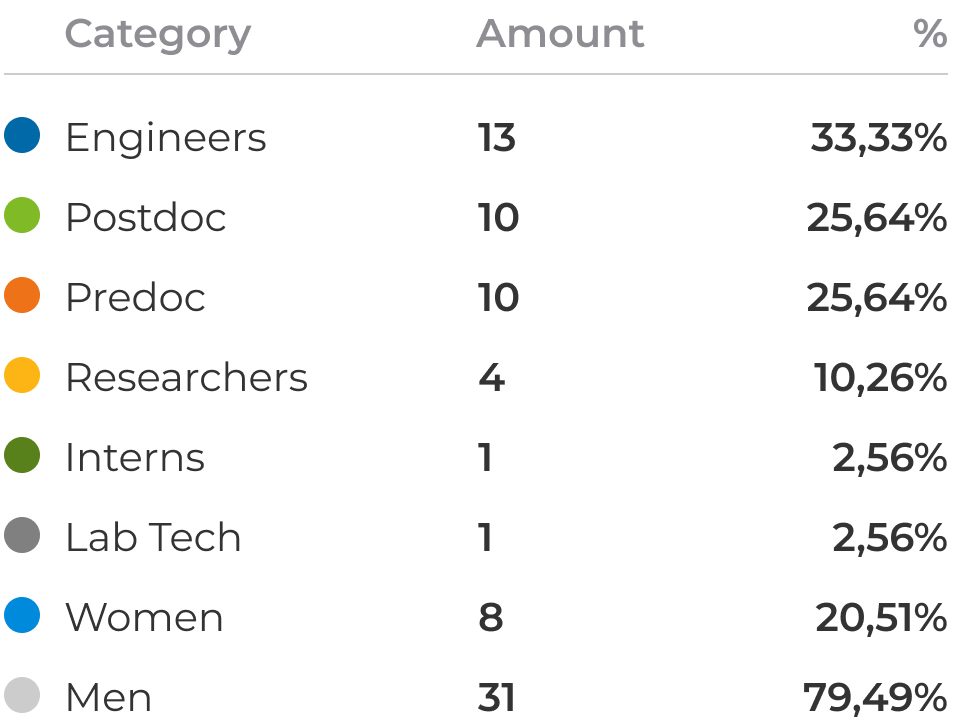
The department brings together a multidisciplinary team of researchers and specialists working across its core research areas. Our work combines fundamental research, technology development and applied validation, engaging with academic institutions, industry partners and public bodies to generate knowledge and solutions with real-world impact.
A department expert team
Our research lines
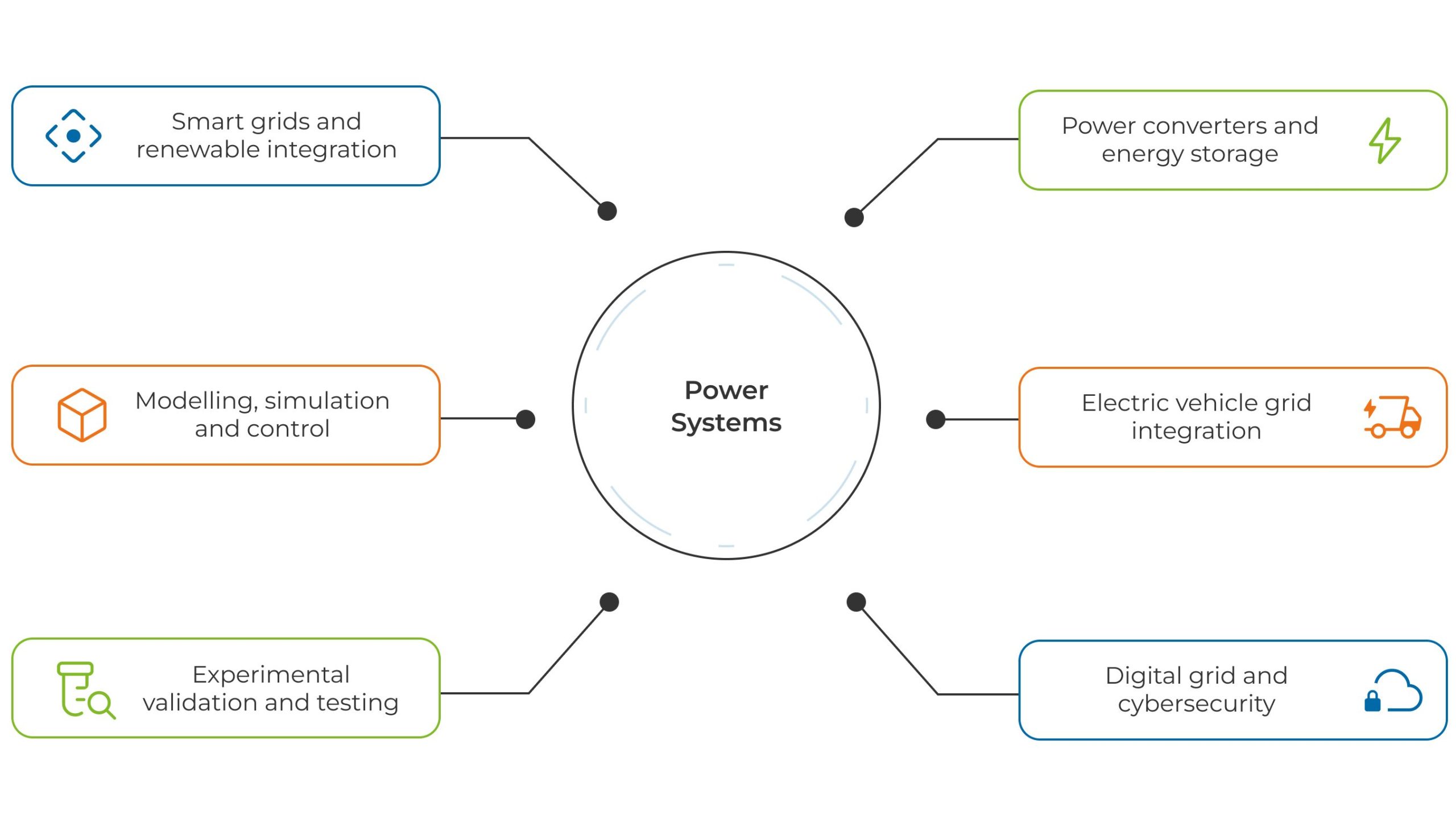
Research lines
- Cyber-physical systems and smart grids
- Power electronics and converters
- Offshore and renewable energy integration
- Electrical network stability and resilience
- Energy storage systems
- Digital twins and cloud management
We develop cyber-physical architectures that connect physical energy infrastructure with digital monitoring, control and communication layers. Our research addresses smart grid design, interoperability, real-time data exchange and cybersecurity, providing the technical foundations for secure, observable and controllable electricity networks capable of handling the complexity of a fully renewable energy system.
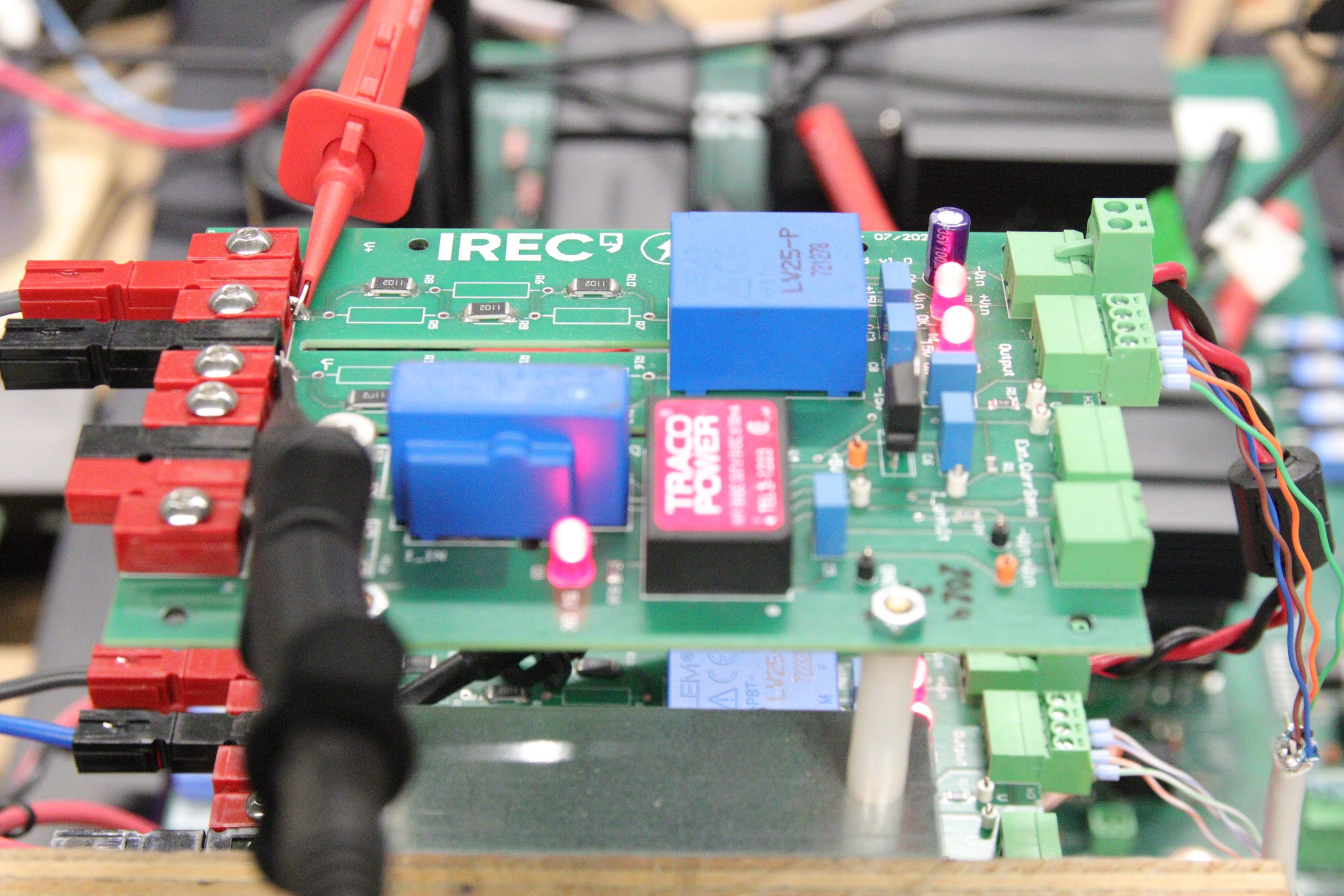
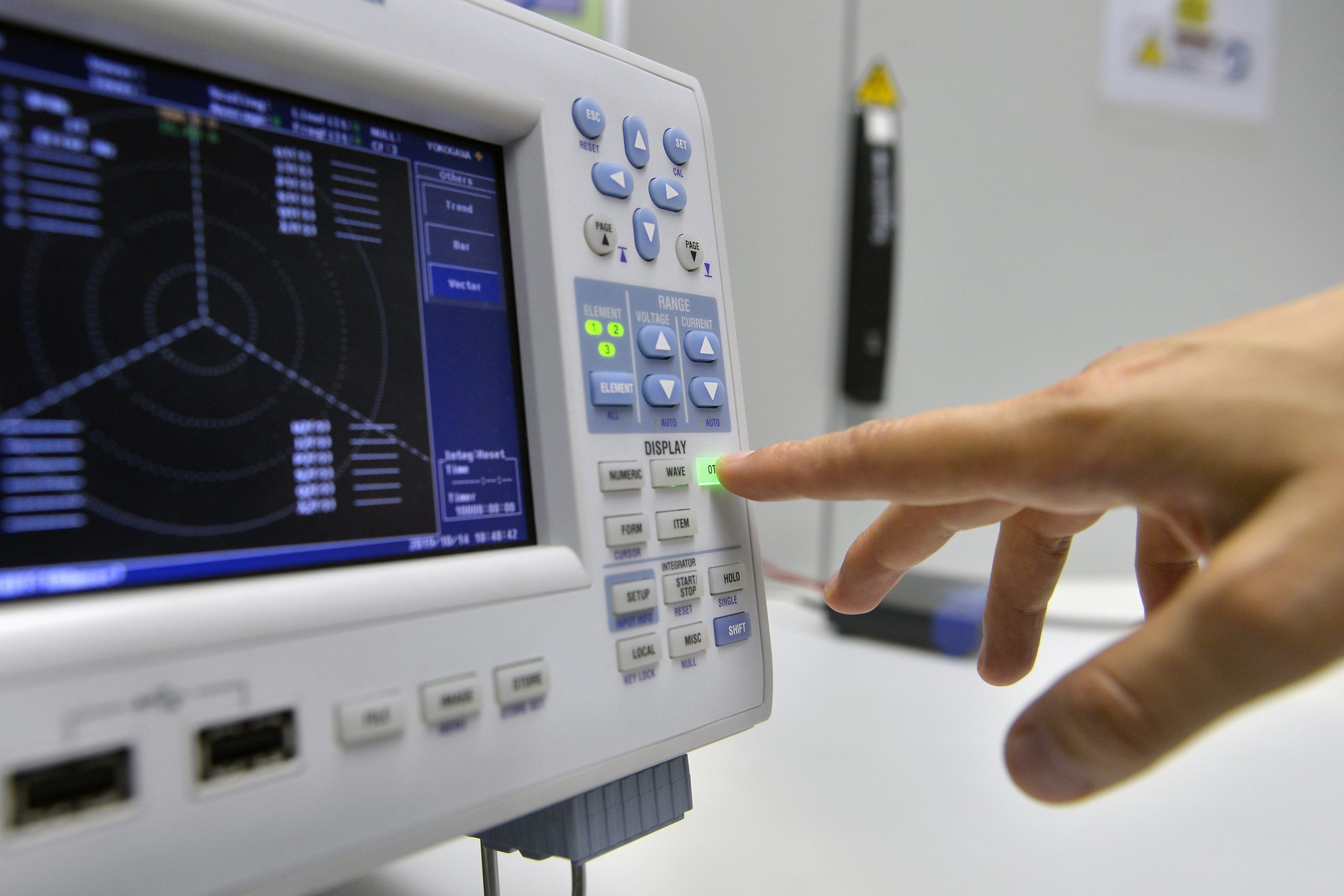
We design, model and prototype advanced power converters and control boards for renewable generation, energy storage, electric vehicle charging and grid integration applications. Our work spans from circuit-level design and simulation through to hardware prototyping and laboratory validation, addressing both the performance and reliability requirements of converters operating in increasingly demanding grid conditions.
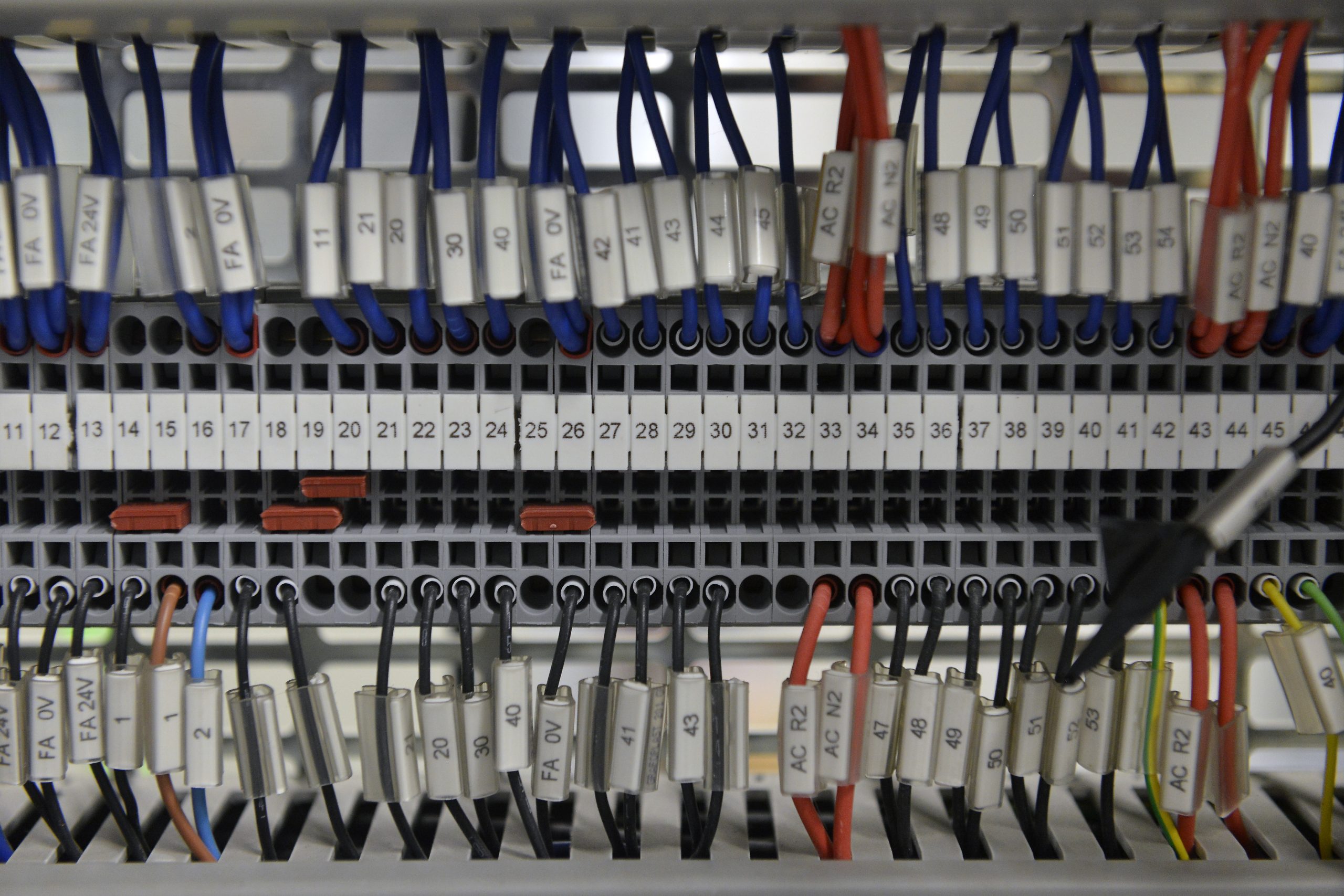
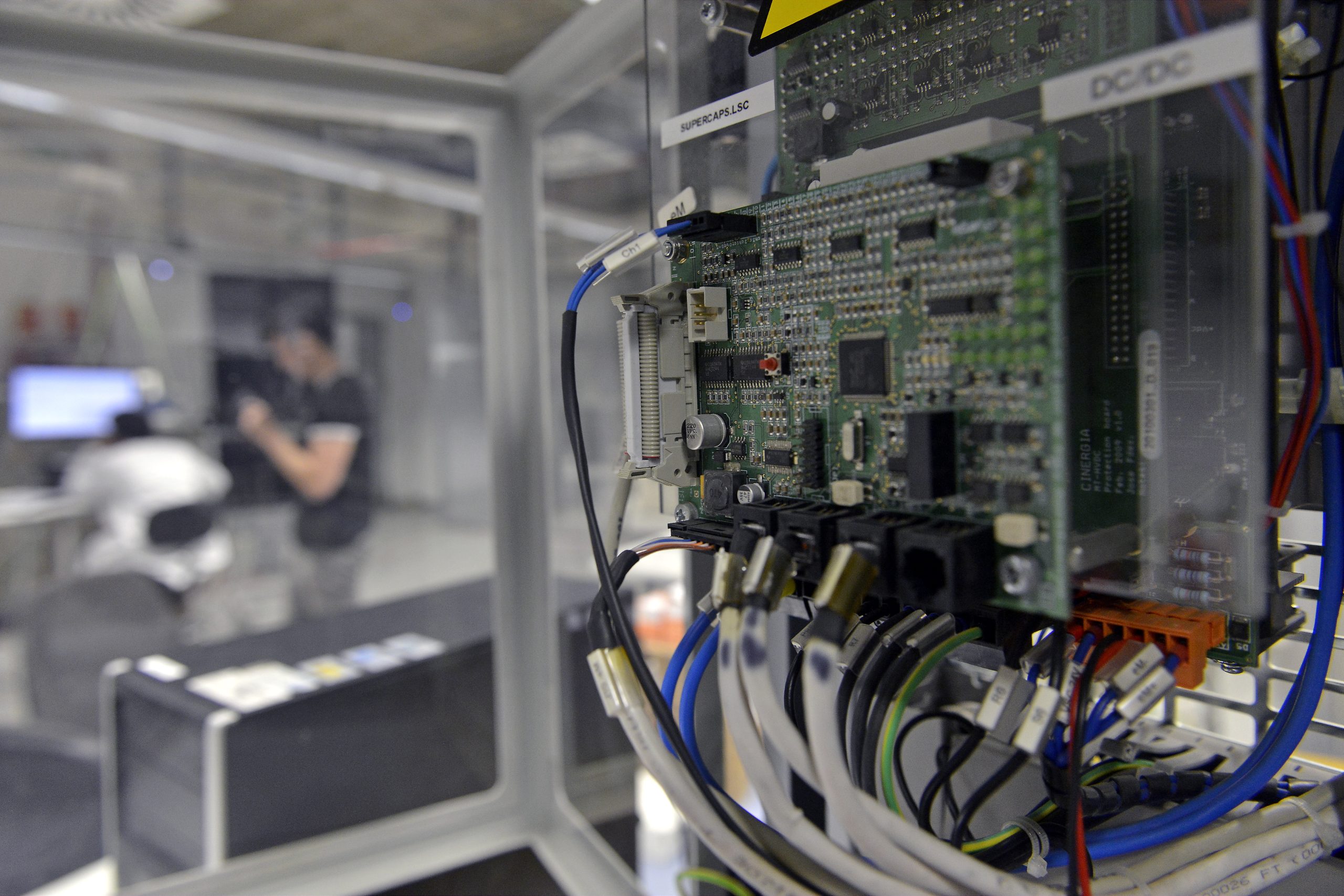
We develop specialised models, control strategies and grid connection solutions for offshore wind, ocean energy and other large-scale renewable sources. Our research addresses the technical challenges of integrating high volumes of converter-based generation into transmission and distribution networks, supporting the secure and cost-effective expansion of renewable capacity at system scale.
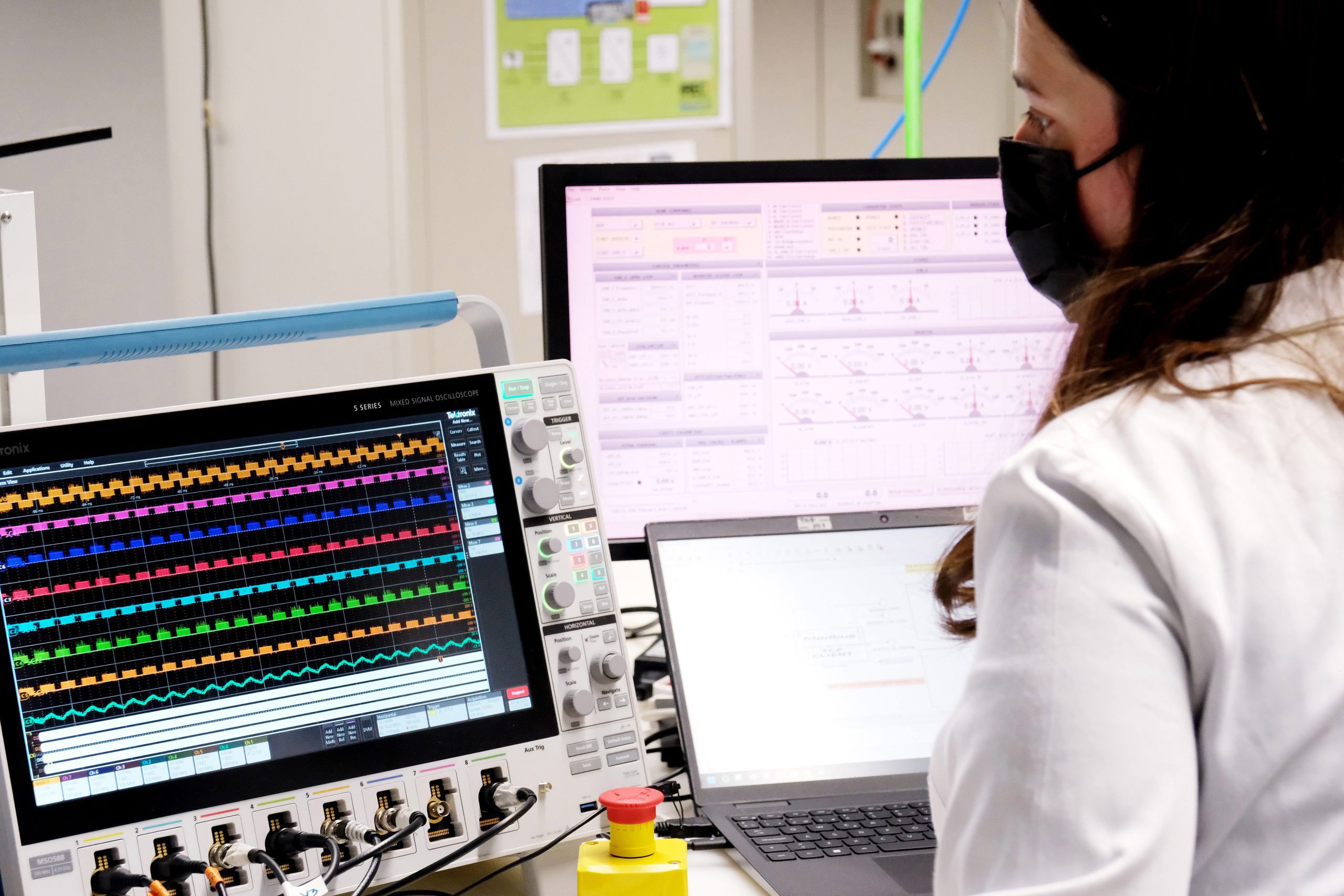
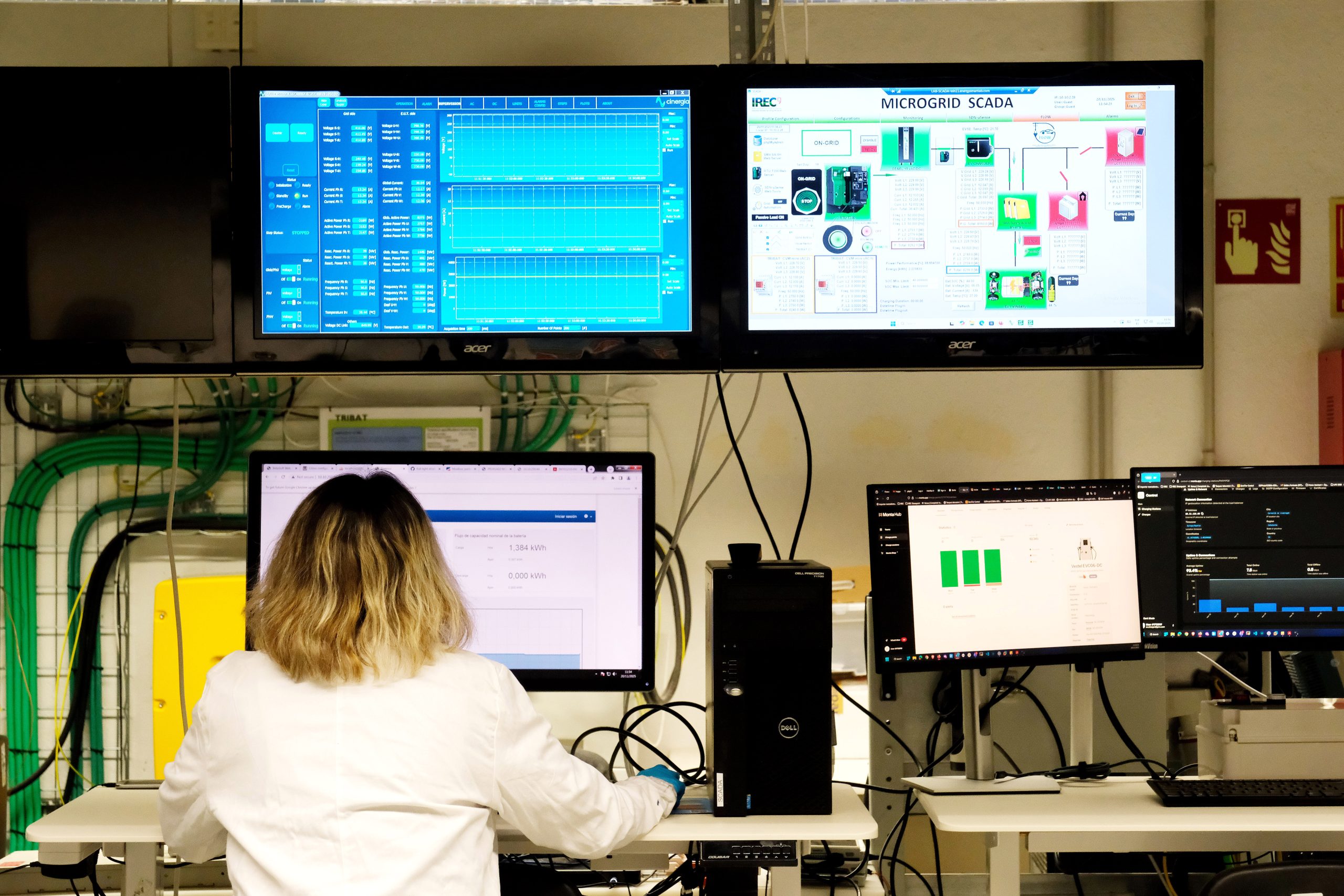
We investigate the stability, security and resilience of electrical networks under conditions of high renewable penetration, covering frequency response, voltage regulation, fault behaviour and the interaction of converter-based generation with network dynamics. Our work informs grid code development and provides operators and planners with validated tools to maintain reliable supply as the energy mix transforms.
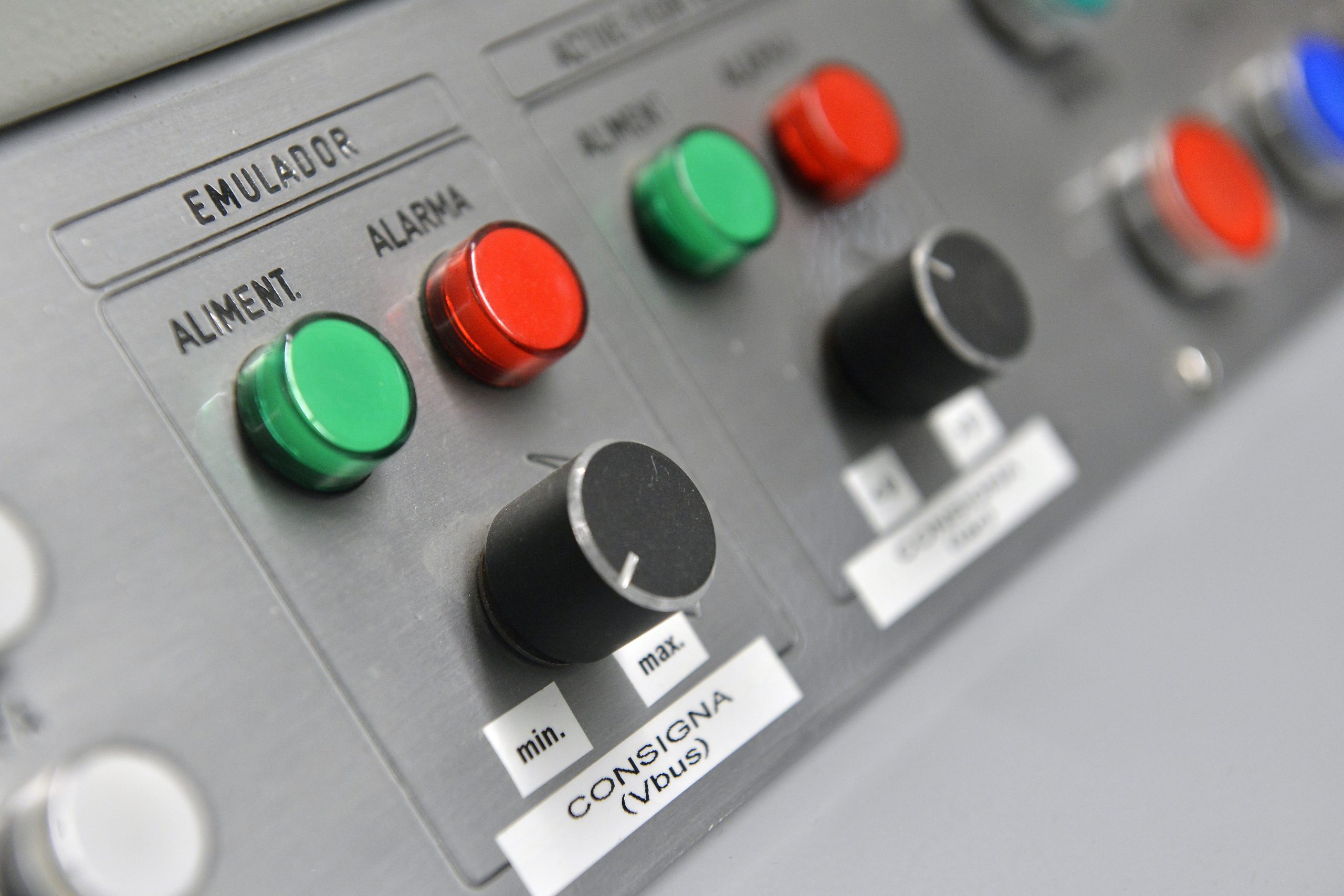
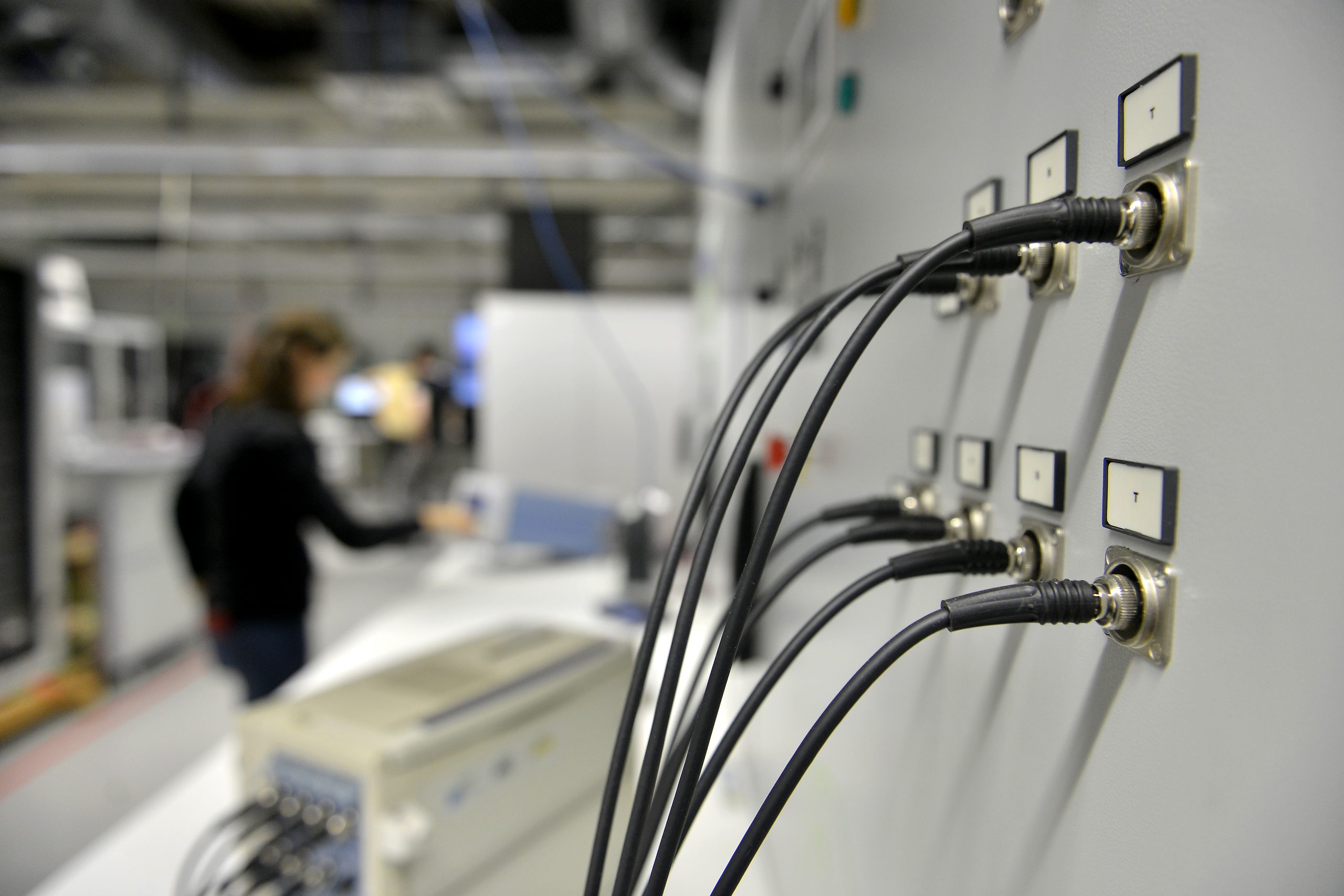
We characterise, model and optimise energy storage technologies, from battery management systems and state estimation algorithms to second-life applications and grid-scale storage integration. Our work covers the full range from component-level testing to system-level operation, helping industry and grid operators improve performance, extend asset lifetime and reduce the cost of storage in the energy system.
We characterise, model and optimise energy storage technologies, from battery management systems and state estimation algorithms to second-life applications and grid-scale storage integration. Our work covers the full range from component-level testing to system-level operation, helping industry and grid operators improve performance, extend asset lifetime and reduce the cost of storage in the energy system.
People
A skilled team dedicated to advancing the energy transition.
Projects
Competitive and industrial projects from lab to real-world scale.
Publications
Peer-reviewed outputs at the forefront of energy research.
Tech Transfer
The Power Systems department translates research into practical solutions across power systems, digitalisation, energy storage and power electronics, working with local, national and international partners spanning small and medium-sized enterprises, large corporations and public institutions. Technology transfer activities range from design and laboratory testing through to real pilot implementations, with a significant portion carried out through the IREC Energy SmartLab, where the department supports manufacturers in validating and pre-certifying their products using power hardware-in-the-loop testing. The department collaborates with regional, national and international institutions including UPC, TECNALIA and DTU, and actively participates in alliances such as EERA JP Wind, EERA JP SmartGrid and FutuRed. To date, it has registered more than ten software packages and filed four patent applications, and is actively exploring spin-off creation pathways to bring its innovations closer to market.
Facilities
Facilities
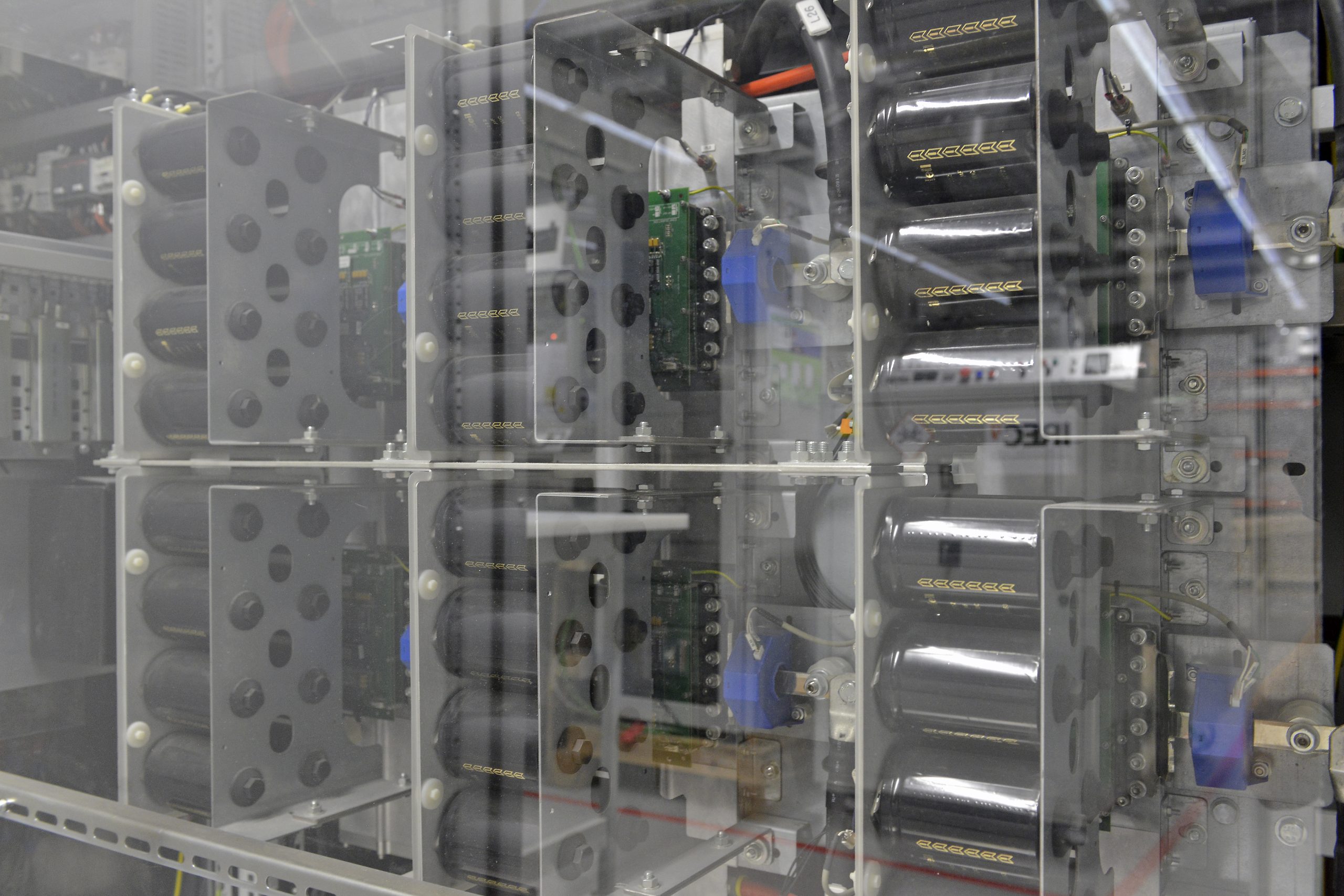
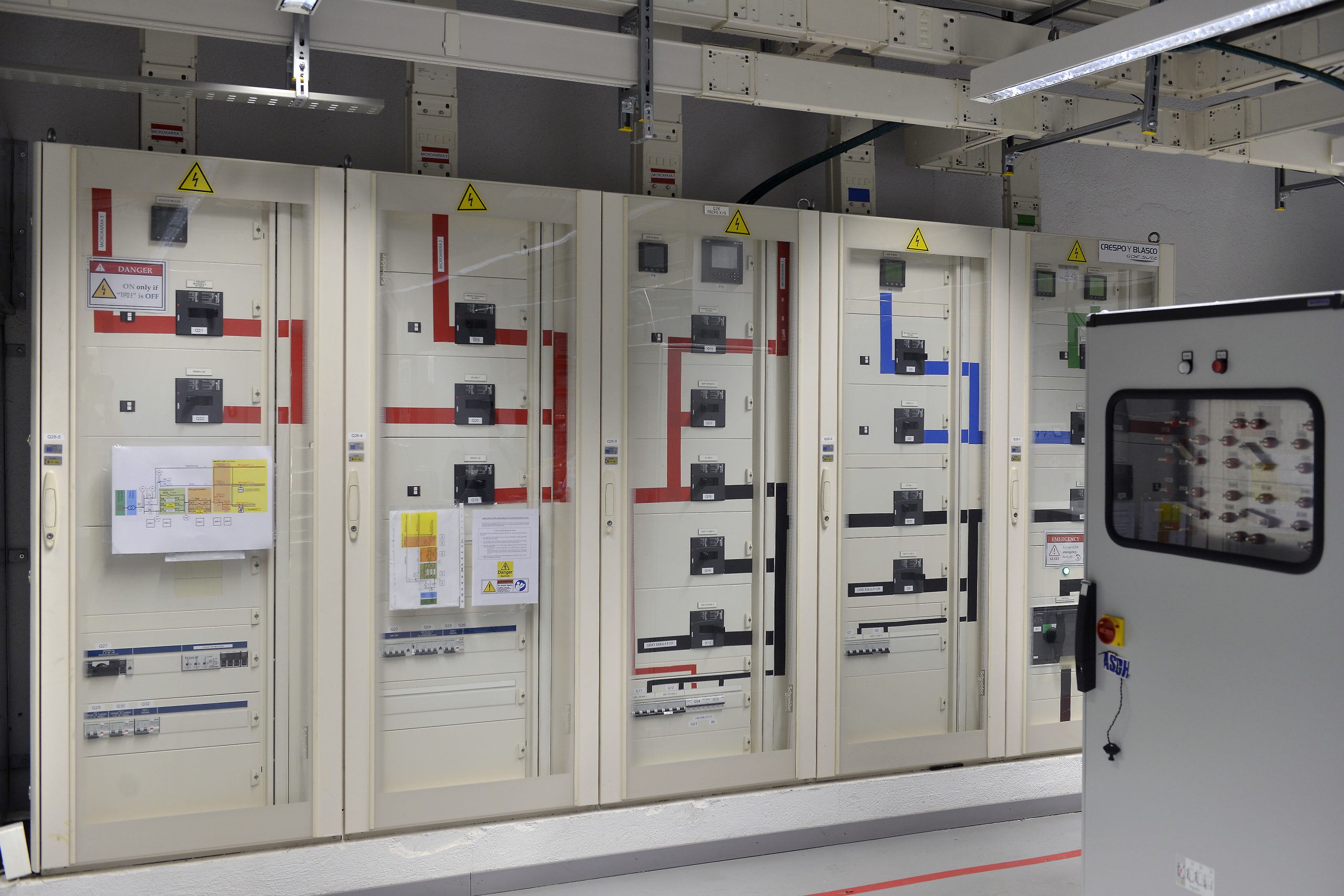
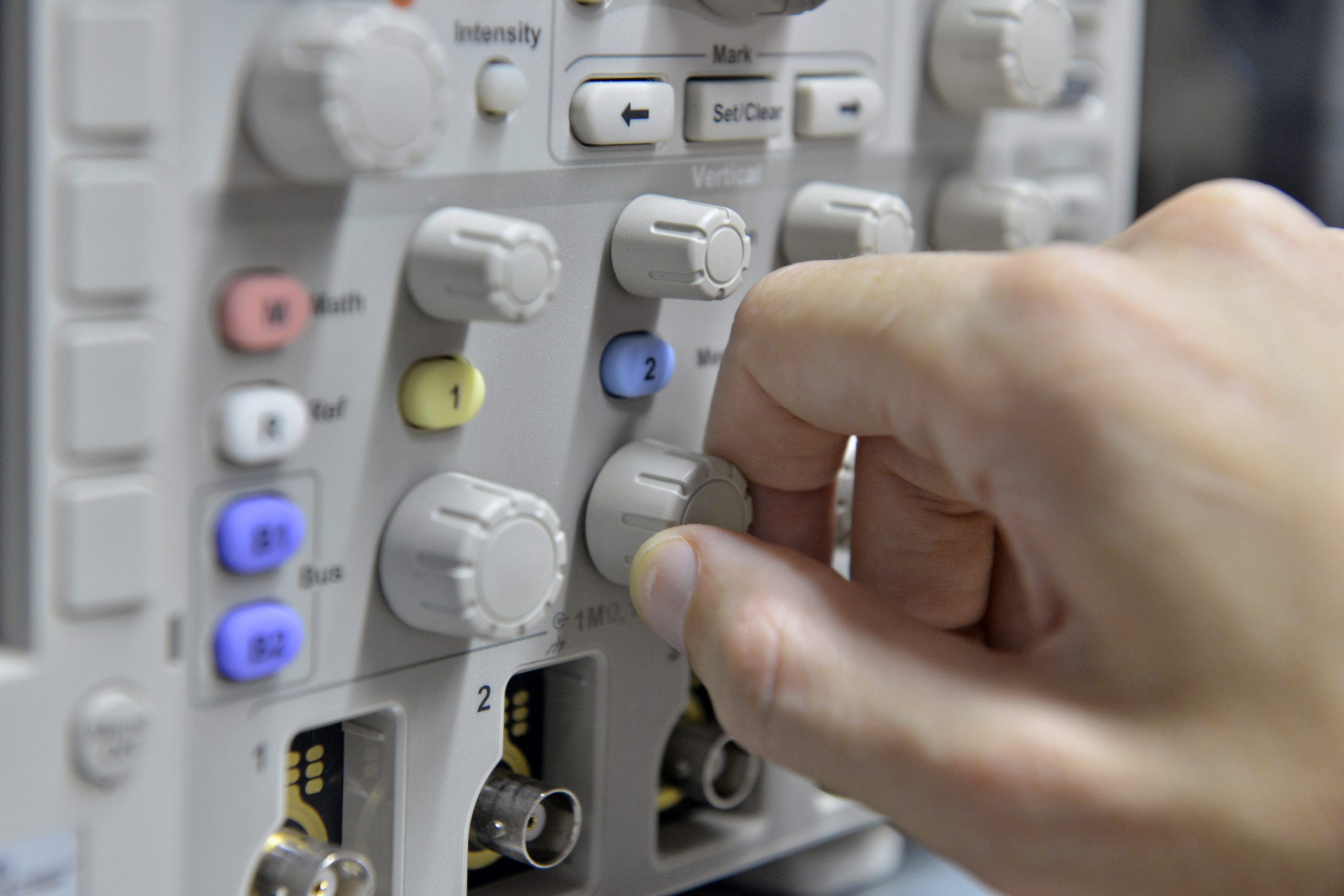
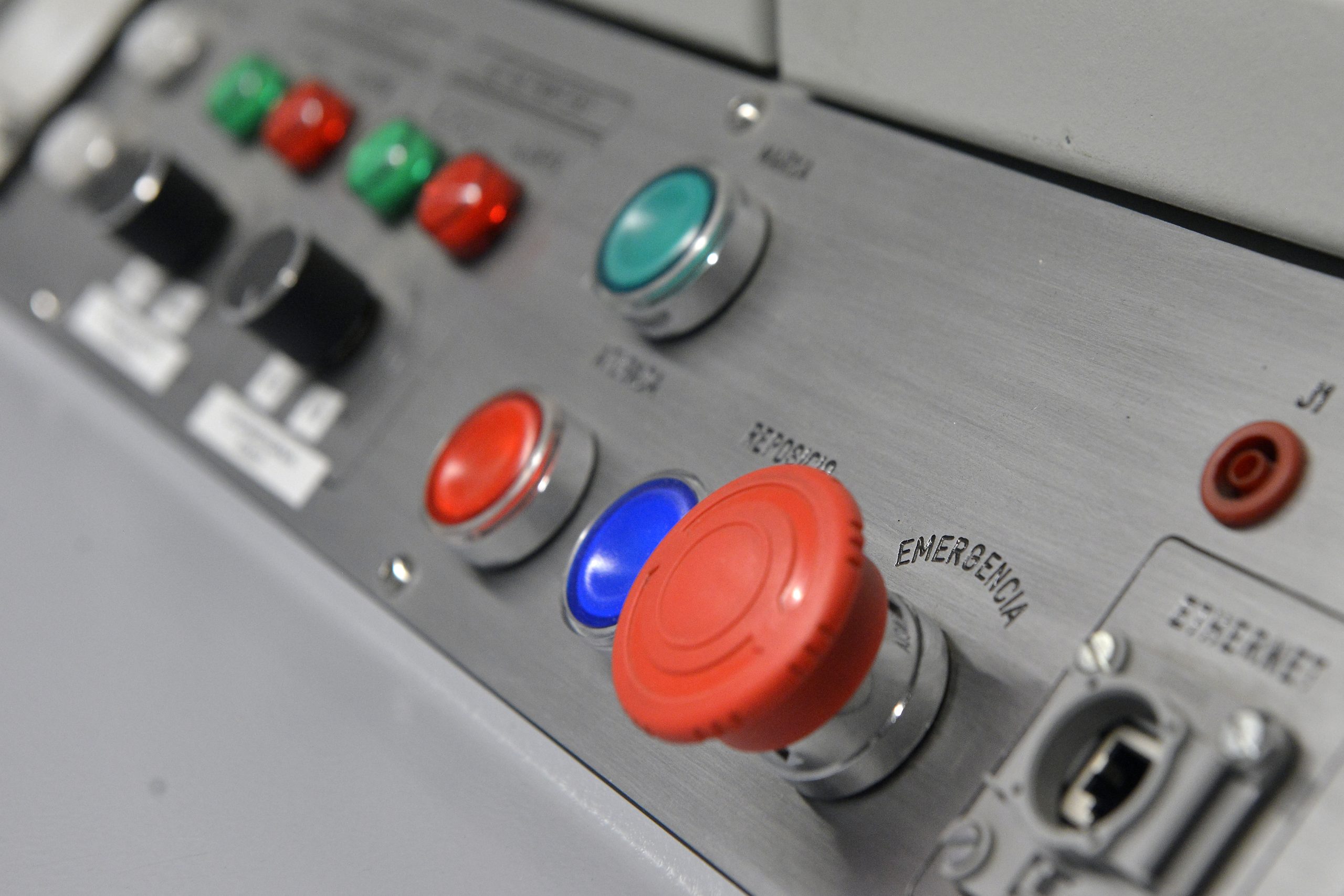
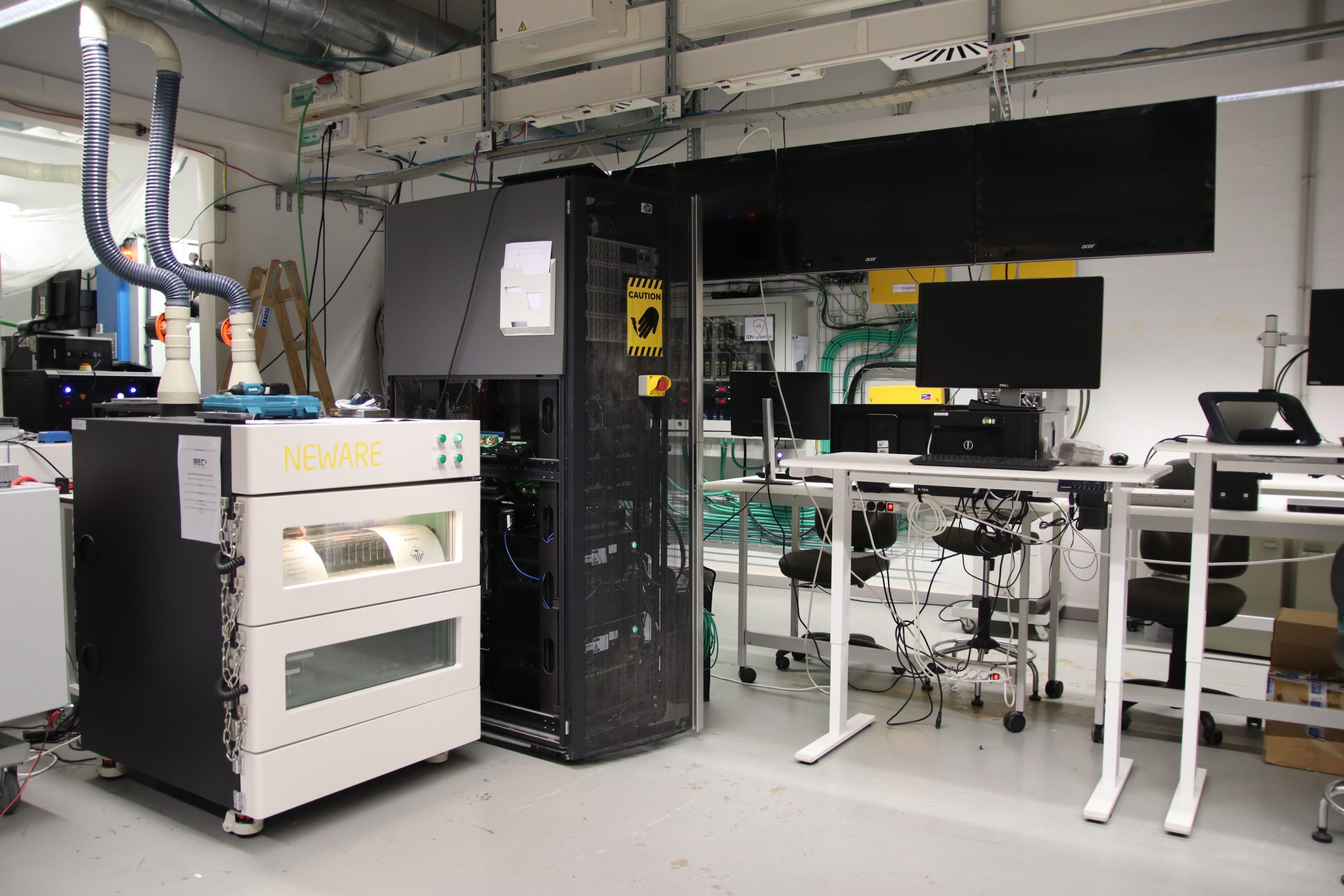
The department operates the IREC Energy SmartLab, a shared facility for power hardware-in-the-loop (PHIL) testing with a capacity of up to 200 kVA. The laboratory integrates generation emulators for wind, solar and ocean energy sources; real battery, supercapacitor and flywheel storage systems; electric vehicle charging infrastructure; and a programmable grid emulator capable of reproducing diverse fault conditions and network configurations. Real-time simulators, climate chambers and line emulators complete a testing environment designed to bridge the gap between computational modelling and genuine field deployment. More info: https://weblab.energysmartlab.com/home/
News
Discover the latest news from our research teams and strategic initiatives.
-
MAKING PEDs recognized as a leading innovation for Positive Energy Districts
The MAKING PEDs project, coordinated by IREC, has concluded after developing innovative digital tools and methodologies to help cities plan Positive Energy Districts (PEDs) and accelerate their transition towards climate neutrality. Positive Energy Districts are urban neighbourhoods designed to generate more renewable energy than they consume, helping reduce emissions while creating greener, more sustainable places…
Read more: MAKING PEDs recognized as a leading innovation for Positive Energy DistrictsPablo Fernández Martínez
Vulputate aliquam gravida
-
Innovation Day Energia brings together companies, research centres and investors in Barcelona to address the challenges of the energy system
The eighth edition of Innovation Day Energia has brought together professionals from business, industry, science, finance and public administration in Barcelona to discuss the challenges facing the energy system and explore opportunities to accelerate the development and deployment of innovative energy technologies. Co-organised by IREC, CEEC and XRE4S, with the support of ICAEN, the event…
Read more: Innovation Day Energia brings together companies, research centres and investors in Barcelona to address the challenges of the energy systemPablo Fernández Martínez
Vulputate aliquam gravida
-

Two researchers join IREC to advance secure AI and digital twins for the Internet of Energy
Oliver Anderson and Gianluca Rapaglia have joined IREC’s Power Systems department as part of the SAILING project, a European initiative training 12 Early-Stage Researchers to advance digital twin and secure AI technologies. The Internet-of-Energy, the digital layer connecting and automating how energy is generated, stored and distributed, can play an important role in Europe’s transition…
Read more: Two researchers join IREC to advance secure AI and digital twins for the Internet of EnergyPablo Fernández Martínez
Vulputate aliquam gravida